Storetag
Know what's in every box
A QR and AI system for physical storage inventory
Live in production · storetag.gsromerolab.com
Context
- My role
- Product Designer + Builder
- Team
- Solo, with AI
- Type
- Personal product · PWA
- Status
- Live in production
- Stack
- React · Node.js · SQLite · Gemini AI
- Hosting
- Cloudflare Pages + D1 + R2
The observation
Physical storage has no index. Once something goes into a box, the only way to find it is to open every box until you find it. The problem isn't clutter: it's that objects disappear from memory as soon as they're out of sight. I wanted to fix that.
The problem
No way to know what's in a box without opening it
- Physical search only: the only way to find something was to open every box.
- No inventory: nothing was catalogued, so memory was the only reference.
- Wasted time: looking for things stored away was always frustrating and slow.
The solution
A digital label on every box, with AI to find anything
- QR code per box: print and stick. Scan to see everything inside, instantly.
- Photo inventory: add photos and descriptions to each item stored.
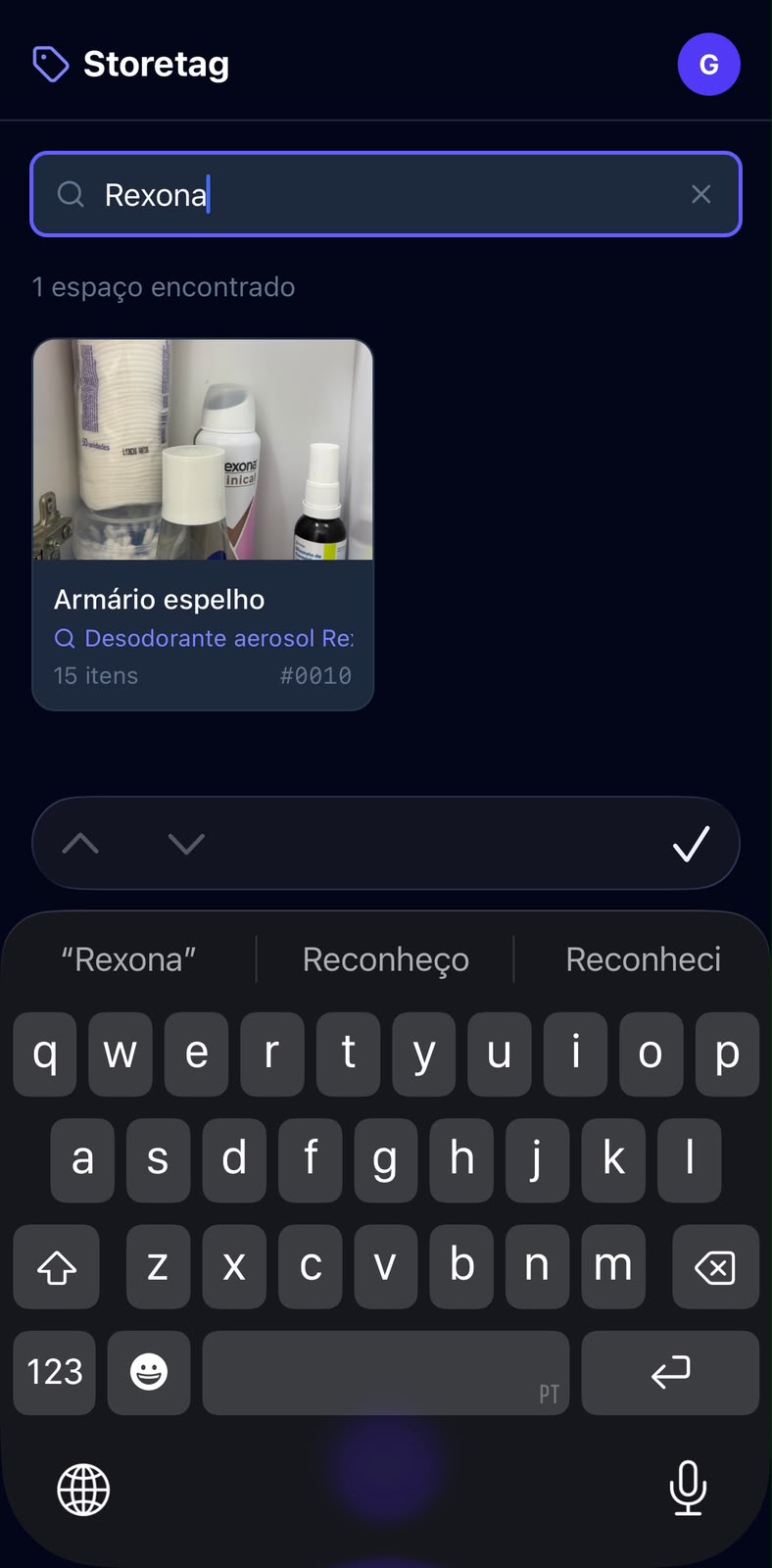
- AI search: type anything in natural language and find which box it's in.
Research
Early research revealed that the problem goes well beyond organizing things at home. Moving, workshops, storage rooms, small stock: the need to know what is stored where showed up in very different contexts. That shaped the scope before any line of code.
Design
I defined the scope, flows, features, copy and art direction. The AIs worked as brainstorm and execution partners, but every product and design decision came from a deliberate choice of mine.
Build
Development used Claude Code (Anthropic) and Codex (OpenAI): both wrote and reviewed each other's code throughout the process. For recognizing items in photos, I chose Gemini, for the quality of its visual identification.
Ship
Shipped as a PWA, with nothing to install. Real usage immediately revealed what testing had not: users rarely add items manually. Gemini identifies what is in a photo with enough quality that most of the inventory fills itself. Reducing friction at the right moment changes behavior.
The product
Four surfaces that turn a physical mess into a searchable, scannable inventory.
Dashboard
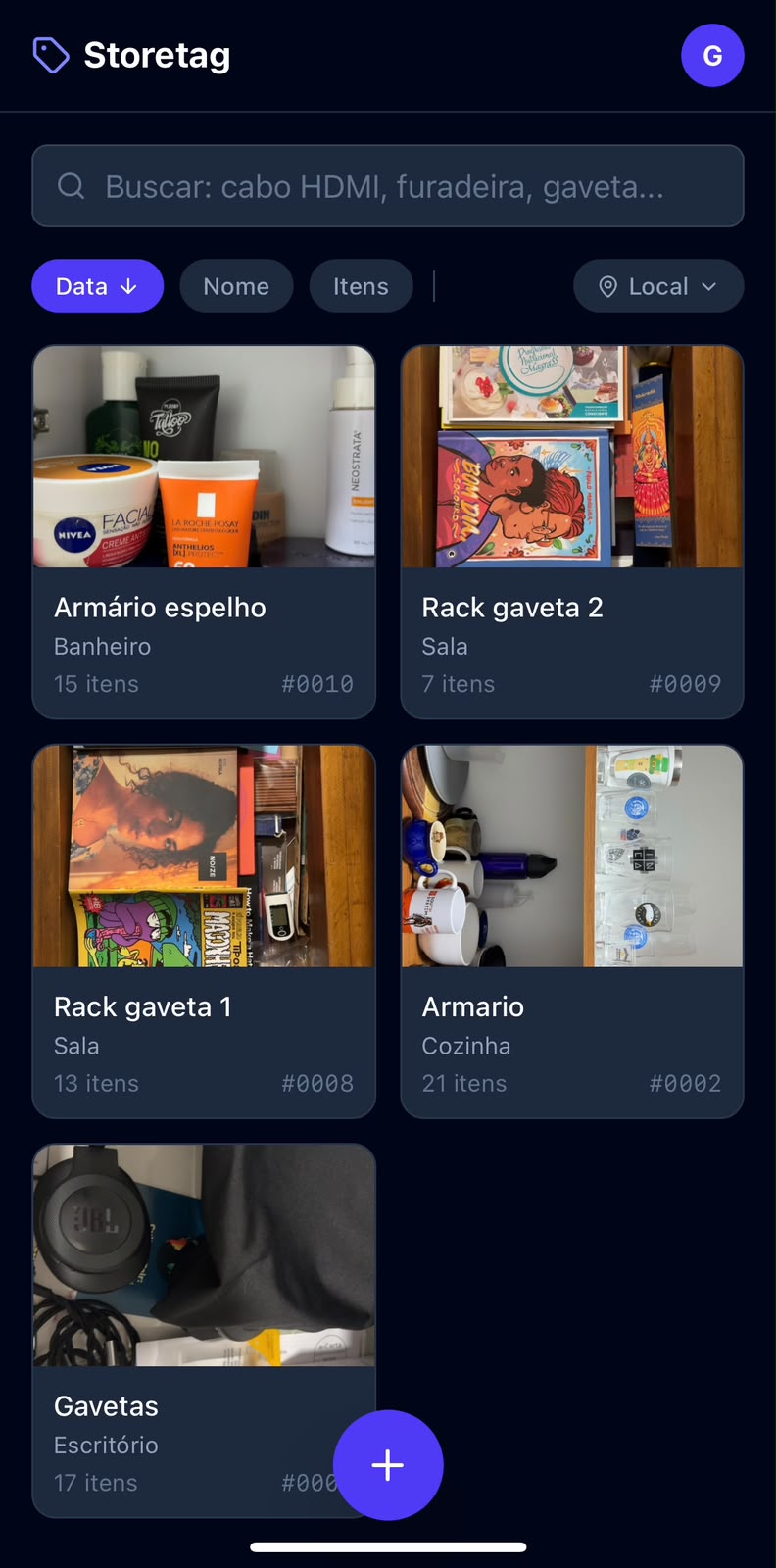
All your boxes at a glance
A clean grid of all storages, with photos and location. At a glance, you know what's where. No opening required.
Storage detail
Everything inside, with photos
Each storage shows all its items with photos, description and location. Accessible by scanning the QR code on the physical box, with no app to install.
QR scanner
Point, scan, done
The scanner opens directly in the browser, no app to install. Point at the QR code on any box and go straight to its contents.
AI search
Find anything, in any box, with plain language
Type "the blue sweater I wore at the beach" and the AI finds it across all your storages, even if the exact words aren't in the description. Powered by Google Gemini.
Built with AI, from scratch
I designed and shipped the entire product solo, using AI as a development partner. Frontend, backend, database and infrastructure: every decision was mine, all the code was written with AI.
I designed every screen
Product thinking, user flows, visual design and interaction. Every decision was mine, from defining the problem to the final UI.
I shipped without a dev team
React frontend, Node.js backend, SQLite database, Cloudflare infrastructure. Built and shipped to production without writing a single line of code by hand.
I iterated at design speed
When something didn't work, I changed it on the spot. No sprint cycles, no ticket queue. Just problem and solution.
Learnings
Real users reveal what prototypes don't
Controlled tests validate flows. Real usage reveals what actually matters. The two aren't the same, and there's no shortcut between them.
The hard part is knowing what to build
AI removed the bottleneck between intention and execution. It didn't remove the need for judgment. Deciding what to build, in what order, and why: that's still the designer's job.
The most used feature isn't the one that takes the most effort
Users rarely add items manually. Gemini identifies what is in a photo with enough quality that most of the inventory fills itself. Lower the cost of the right behavior and users adopt it.
Next case
Santander
Chargeback
Optimizing disputes and reducing losses.
View case